
Popular Restaurant Design Styles in Bali
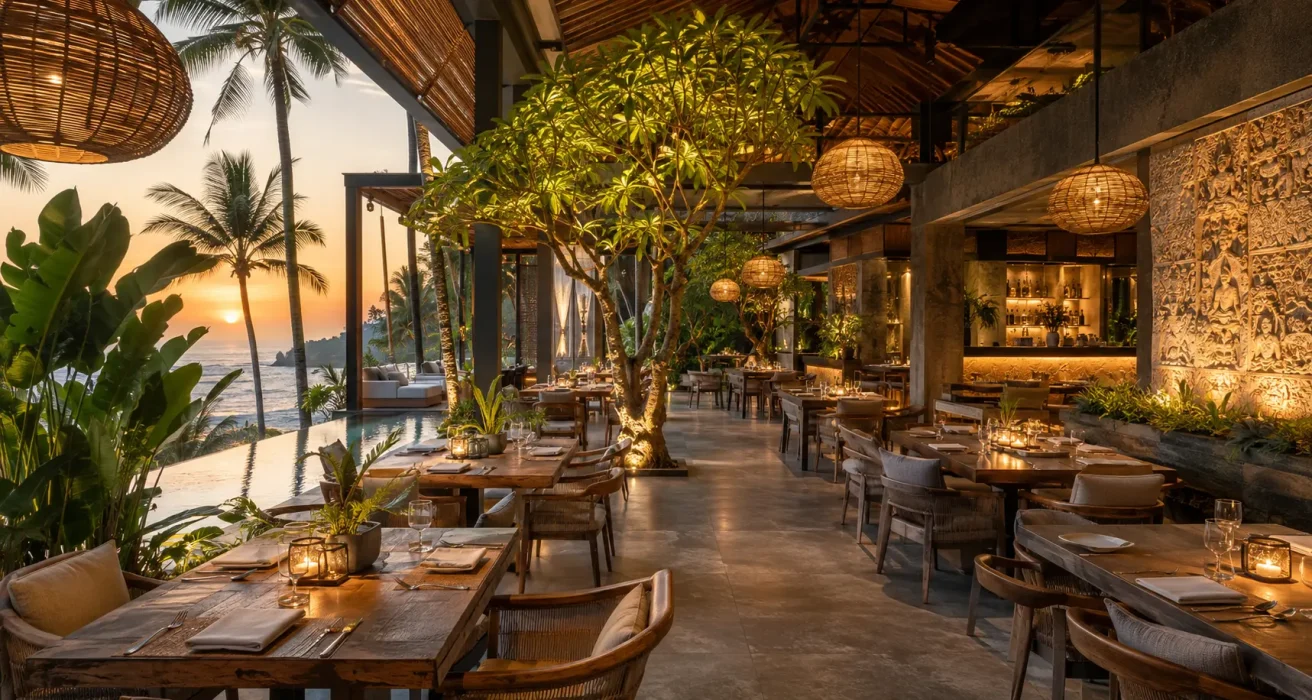
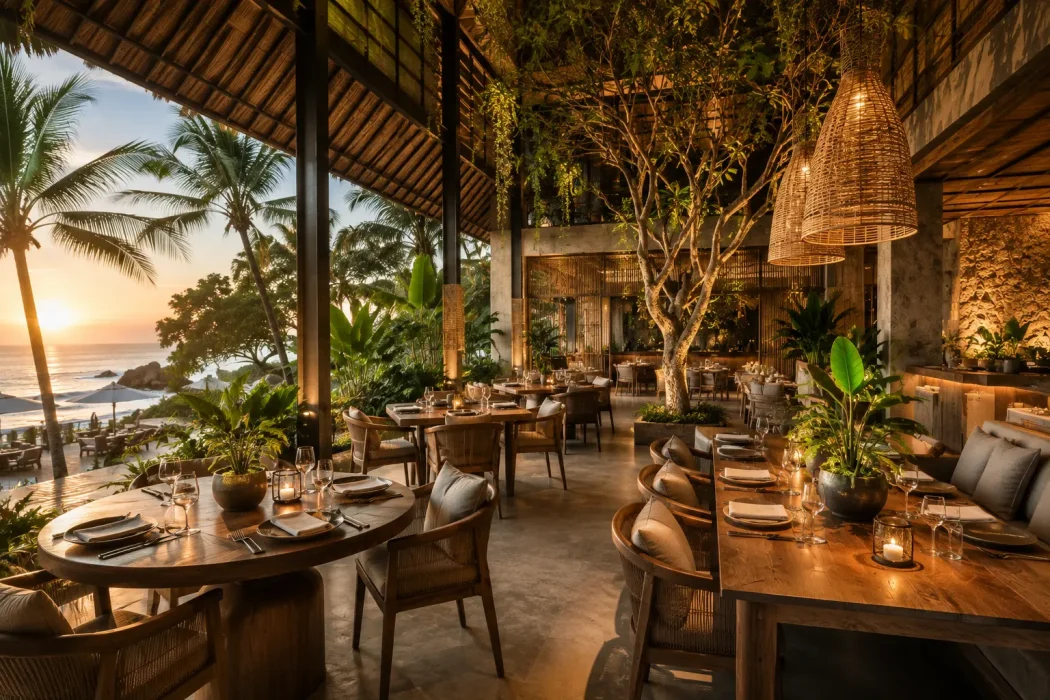
Bali has become one of the world’s most recognized destinations for hospitality and lifestyle experiences. Restaurants across the island are known not only for their cuisine, but also for their strong design identity. Thoughtful architecture and interior design play a major role in shaping atmosphere, guest comfort, and overall dining experience. Several design styles have become especially popular in Bali, reflecting the island’s culture, nature, and international appeal.
Many restaurants in Bali adopt a tropical and nature-focused design. Open layouts, natural ventilation, and generous use of greenery create a relaxed and refreshing environment. Bamboo, rattan, teak wood, and natural stone are widely used to enhance warmth and authenticity. These spaces often feel casual, welcoming, and closely connected to the surrounding landscape.
Another common approach is Balinese-inspired design, which highlights cultural elements and local craftsmanship. Traditional carvings, temple-influenced structures, courtyard layouts, and artistic details are integrated into modern dining environments. This style offers character, a strong sense of place, and cultural identity that distinguishes Bali from other destinations.
Contemporary and modern restaurant designs are also highly popular. These spaces typically feature clean lines, structured layouts, and sophisticated materials paired with minimalist aesthetics. Neutral colors, glass elements, refined lighting, and elegant furniture create an atmosphere that feels stylish yet comfortable. This approach suits high-end dining, lounges, and fine dining concepts.
Some restaurants emphasize luxury resort-style design, where spacious seating zones, premium finishes, and carefully planned lighting create a refined and exclusive ambiance. Infinity pool views, cliffside perspectives, beachfront decks, and carefully curated furniture enhance the sense of relaxation and elegance.
Industrial-influenced restaurant design can also be found in Bali, especially in urban and contemporary dining areas. Exposed structures, metal accents, concrete textures, and artistic décor contribute to a modern, dynamic, and youthful environment that appeals to a creative audience.
Across all styles, comfort and atmosphere remain key priorities. Furniture selection plays a central role in defining the dining experience. Durable materials suited to Bali’s climate, ergonomic seating, and visually cohesive designs ensure that guests feel both comfortable and engaged throughout their visit. Lighting, layout, and finishing touches complete the overall identity of each restaurant.
In conclusion, restaurant design in Bali successfully balances aesthetics, comfort, cultural character, and connection to nature. Whether inspired by tropical living, traditional Balinese heritage, modern sophistication, or contemporary creativity, design plays an essential role in shaping memorable dining experiences on the island.